
On Thursday 19th February, I attended this online in-house TD session about neuroscience and language learning.
Why is Ana talking about this? She has done part 1 of a course in neuroscience run by ITDI so is disseminating to us (yay!), and will be doing part 2 soon!
Truths and myths about the brain
We started by looking at the following truths/myths about the brain:
- We mostly use 10% of our brain: false – our brain is very active all the time and uses about 20% of our daily calories intake. It is just how the brain works, a natural thing.
- Your brain can only produce one or two thoughts in your conscious mind at once: true – can only handle a small amount of information at one time. The idea of “multitasking” is a myth. The classic example: teachers talking and students on phones = problem. Why? Because their brain cannot listen to the teacher (in a foreign language) and use a mobile phone (in L1!) at the same time. Their attention will be focused only on one.
- The brain uses both hemispheres for learning and working with language: true – new technology has confirmed this (despite a previous myth saying that we only use the left side of the brain to process language).
Neuroscience and learning
Tells us about how the brain works, which can help us understand how learning works inside the brain (Letby, Maine & Harries, 2021).
Gives us evidence of how things help learning and what we can do to help our brain learn.
Four brains in the classroom
In the classroom, we have four different types of brain working:
- social brain
- language brain
- learning brain
- teaching brain
The Social Brain
A large part of our brain is programmed to predict what is going to happen (in order to survive threats) and what others want, think and feel. This is controlled by the “mentalising network” also known as the social brain. The social brain is important because learning is socially regulated. If the brain feels it is not under threat, it is easier for it to focus. Focus is needed to create memories. “Human beings are uniquely equipped to learn language through social engagement” (Brown & Lee 2025). = student – student relationships and student – teacher relationships are both important!
So when students feel emotionally safe and not afraid to take risks, when they work collaboratively, when the topic connects to their real lives and interests, when tasks are challenging but still achievable, when there is a sense of purpose and clear direction, when tasks are well scaffolded, when the environment is comfortable, when support is available, when there is more face to face interaction rather than screen time, when they are well fed and have energy… this is when they are most cognitively available.
How to nurture the social brain?
- building rapport
- using students’ names
- pair work and group work to complete tasks
- pair work and group work before whole-class speaking
- using humour
- focusing on low-threat correction
- using emotional checks
- creating a safe and engaging learning environment
We are human beings first and foremost. How we feel matters first and foremost.
The Language Brain
All cognition, including language, is embodied. That means that the brain and body are highly integrated. So your brain controls how your body operates and your body controls how your brain operates. The brain uses physical experiences to build complex sensor an dmotor models to understand the world. Using language activates the sensor models and the motor models in the brain that represent the language that you learn. This is embodied simulation. E.g. when you hear the word apple. Automatically your brain thinks about the sensor model that it has for that specific thing. You might have heard of “neurons that fire together wire together” – it means that we have billions of neurons, if they are working at the same time they are firing together (when we are learning), and the more practice/repetition of that certain activity/word/thought links the groups of neurons so the memory is produced and strengthened.
For language, best = meaning, action, emotion and interaction fire together.
So, things that are less wiring for students are teacher explanation for five minutes, decontextualised rules, lack of variety (doing the same things every lesson) and the famous clicking through slides.
E.g. A teacher explains what a seminar discussion is. “In a seminar discussion, we… etc etc” = no wiring.
Things that wire:
A teacher sets up a seminar discussion and students participate. Students must respond to a peer, refer to evidence, agree/disagree, and reformulate ideas.
It is more student-centred.
Nurturing the language brain:
- repeated vocabulary in context
- personal stories
- pair and group talk
- roleplay
- grammar/pron and real communication (not decontextualised)
- think – pair – share (no one is put on the spot)
- peer teaching (explain to your partner what just happened)
- positive feedback and risk-taking
- clear expectations and consistent follow up (lesson objectives made clear to students)
- focus routines (e.g. the mood slide at the start of lessons; phones away = discussion starts)
- linking learning to previous learning
- moving students around (changing interaction patterns, activities involving movement)
- reflection
- short brain breaks to defuse overload e.g.
Ana gave us one of these! It is one of the secrets. In our lessons there is a lot of content so it can become too much. Therefore, having one minute stops at regular intervals (with stretching, with eyes closed etc) can be very helpful. This means you can continue with a fresher brain.
The Learning Brain
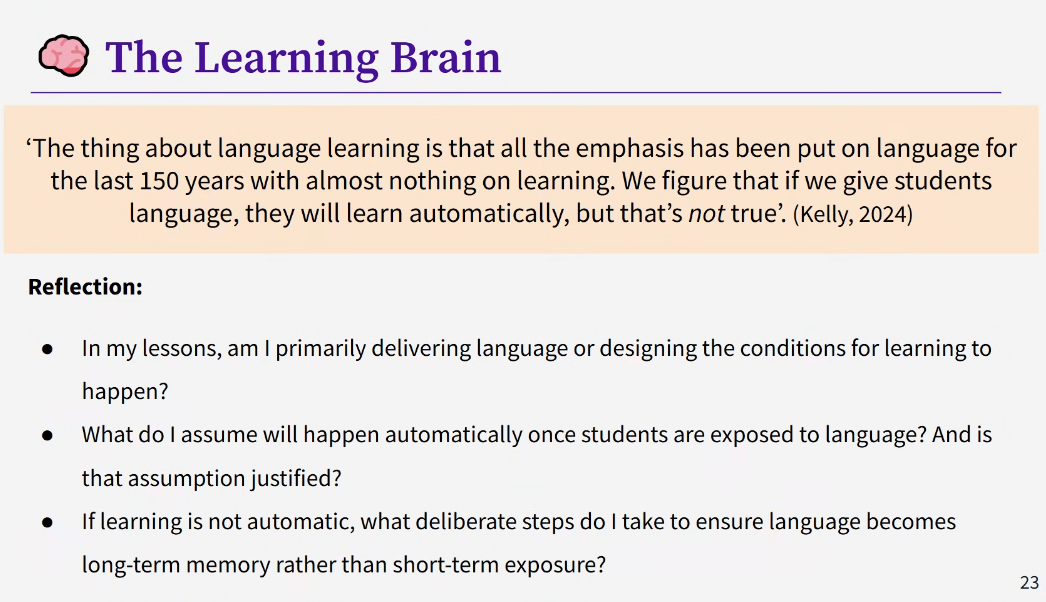
Learning is memory formation, consolidation and modification: When neurons fire together, they form the connection, which creates the memory which represents the learning. With no practice/no repeat, the memory formation doesn’t happen. Consolidation is needed: practice, doing. Modification is required to move things from short term memory into long term memory. To become learning, the memory needs to move to the long term memory. This transition happens through sleep. Sleep is the most important element but our students stay up all hours! This means no processing of information can happen.
Four main factors of learning: sleep (physio – physiological), novelty (brain compatibility), spaced repetition (Deep processing), personally relevant (meaningfulness). Students’ lack of sleep = low ability, low confidence, low motivation. A good idea to have a serious discussion about this with students. Sleep is THE factor for academic success. Don’t assume they already know this. Also, no emotion, no learning.
We were given some reflection questions:
Nurturing the learning brain:
- 5 minute retrieval routines (e.g. list as many phrases as you can from Tuesday)
- Make sentence writing meaningful e.g. “x things I’ve never done but secretly want to” rather than “using the present perfect”
- Encourage peer teaching e.g. “Explain this to a partner”
- Reinforce the importance of sleep – “Tonight’s sleep will help you organise this”.
The Teaching Brain
What happens if we overload students with content? Cognitive overload. Learning requires mental effort. When the weight is too heavy, cognitive overload occurs. This interrups the learning process.
To lessen the load:
- revist concepts in multiple ways
- keep language simple (not dumbed down but only including the most necessary information), structured (accessible to learners) and redundant language (more often in learners’ working memory)
If we think about learning, it is 50% knowing and 50% DOING! Get students DOING things. Also aim for less content and more consolidation.
How to nurture the teaching brain:
if you feel you are “covering a lot”, it is likely that students may be retaining very little.
So, instead of long explanations, try:
- short sentences
- clear sequencing
- repeating key phrases
After every explanation ask: where is the doing
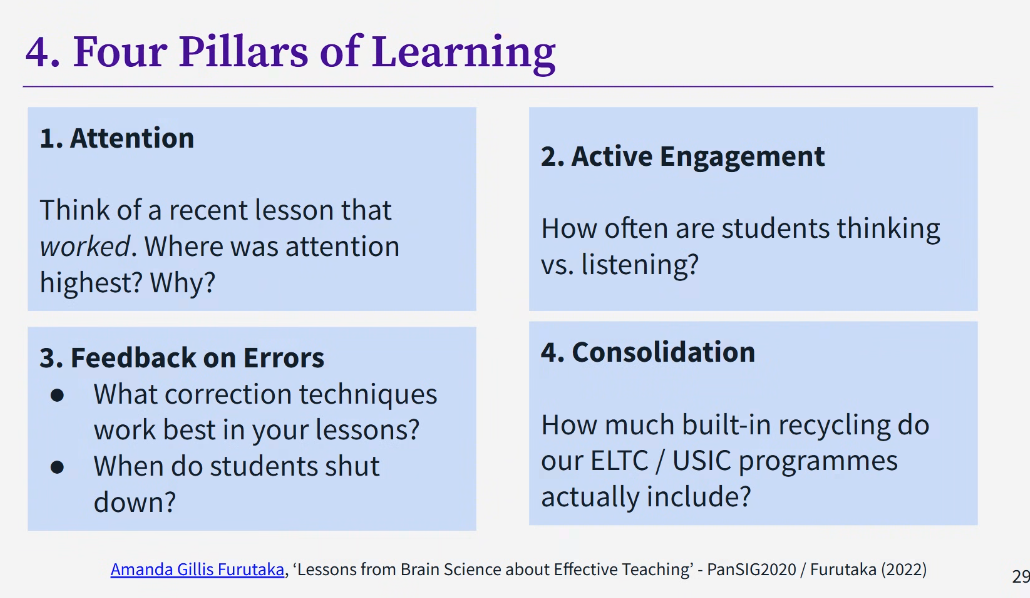
Four pillars of learning:
We ended with some more reflection questions:
This was a really interesting session, and I’m looking forward to integrating what I’ve learnt with all the other stuff I’ve been learning/thinking about lately (group dynamics theory, inclusion theory). So much to think about! 🙂





 This mostly happens in my lunch break at work. I have also watched the film of it along with a few others. In other Italian news, my diary writing continues to take place very nearly every day. Watching/reading in Italian is like slipping into a comfy pair of slippers and a cosy dressing gown: nice and relaxing!
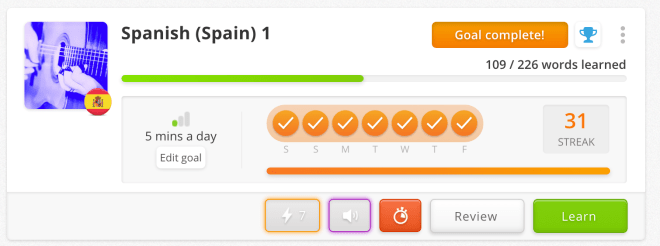
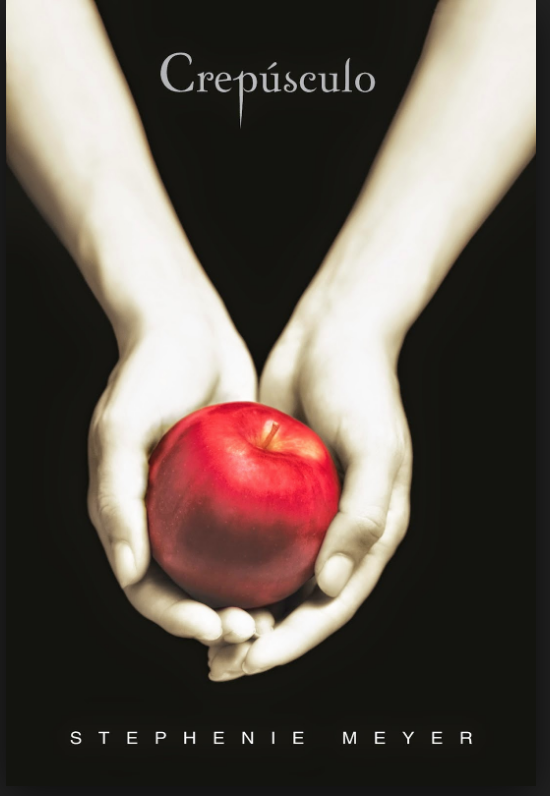 I also found an audio recording of it on YouTube, having failed to source it as an audiobook anywhere else! (Just an amateur version.) I have also dabbled in some Spanish Winnie the Pooh and have just started a new tv series (dubbed), again both via YouTube. No “learning activities” but I am enjoying it all! And Spanish is beginning to feel more familiar and less badly tuned.
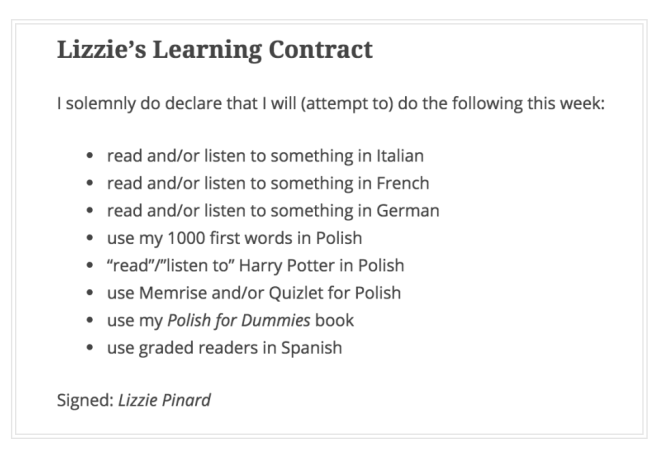
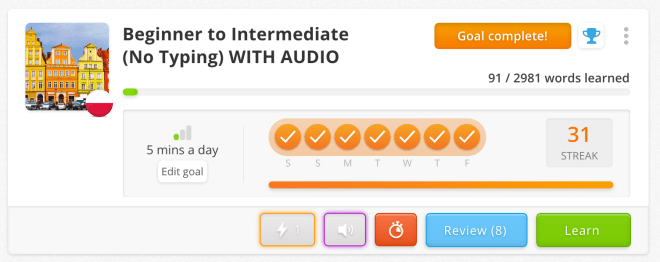
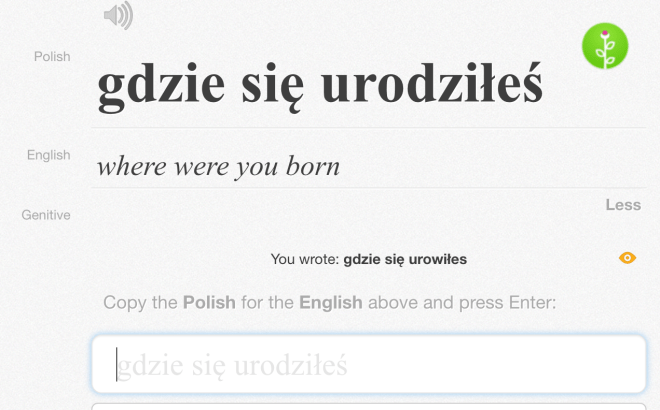
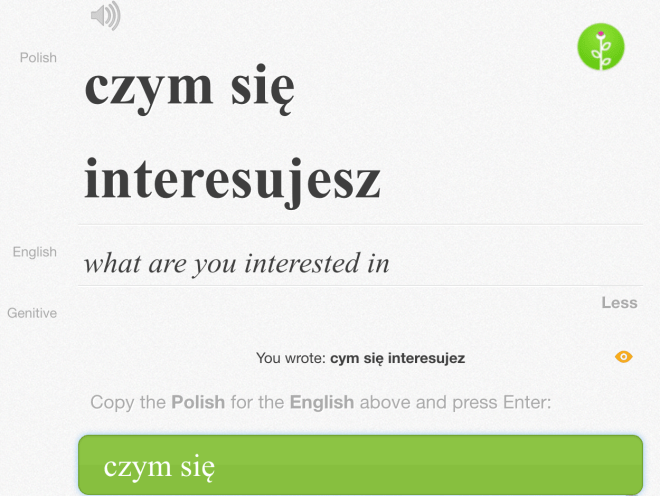
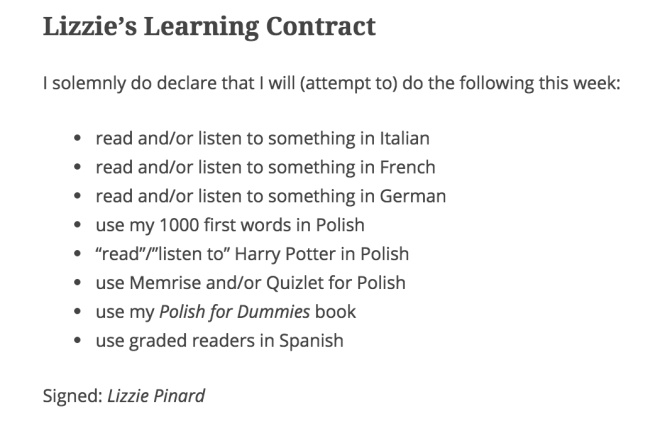
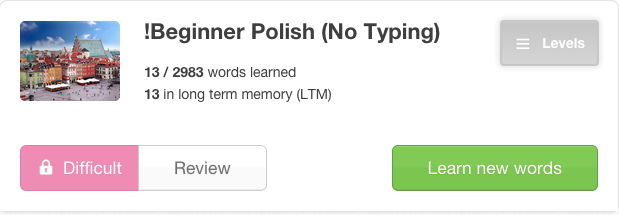
 It took me a while to relocate (re-download from an online account where I had previously bought it) the e-book so initially I was just listening to the audio recording. I say listening, it was more just letting it wash over me and enjoying the sounds and rhythm. Around the 6th May (so a couple of weeks-ish in), my brain finally accepted Polish as a language rather than a random collection of sounds and letters with periodic spaces between them. To get to that point, I needed to use my Polish for Dummies book + notes I had made on pronunciation last year for some review, in combination with listening and reading along (once I got the e-book sorted) to Harry Potter. Since that point, I have started using Quizlet and am now up to 16 words/chunks on it!
  I haven’t, however, touched Memrise or my First 1000 words book. (To be honest I had forgotten that part of the contract – my brain was mostly focused on the reading/listening elements!) In YouTube world, like Spanish, I have also dabbled in some Winnie the Pooh…
  The main thing for me with Polish has been to relax and not worry about not understanding the majority of it when I listen to and read Harry Potter. Sometimes I work out what is being said, which is gratifying, sometimes the audio skips and I have to find where it’s gone, but I can do that now (which I struggled with in the beginning!) – it’s all about the minor victories!
 I haven’t used it an awful lot for languaging before, mostly because since I became interested in it, I’ve mostly been in places where Internet is limited i.e. you get a certain per month quota so streaming endless content on YouTube wasn’t an option. Now, however, with a fast and unlimited broadband connection, YouTube is one of my main go-to’s. That said, I’ve yet to find a ‘language learning video’ that I like. You know, the ones that are a video of someone teaching a piece of grammar or some vocabulary in your target language. If anyone knows any good Polish ones, though, please comment with a link!
 Some of the channels function rather better than others! So, my Italian channel, as far as reading/listening is concerned, is similar to my English channel in terms of comfort/understanding levels. My French channel isn’t far behind. My German channel was a lot more sub-functional initially but is getting easier all the time, the more I use it. That said, there is a definite difference in my understanding of Italian and French, and that of German. My Polish channel barely exists, but a channel has been made – “under construction”! Ditto the Spanish channel, except it borrows understanding from the Italian and French channels…
 YouTube clips of 8-10 minutes. Reading a few pages chapter while I’m eating my lunch etc. It’s all input! So I stand by what I’ve kept telling students over the years: doesn’t matter if it’s “only” ten minutes, way better ten minutes than nothing!
 Need to work out what I want to use it for with the other languages. I suppose mostly I have just been enjoying input and haven’t needed a notebook for that… I also want use the lovely pack of coloured pens I treated myself to more – so far, again, just for Polish! (You can’t see it in the pic above but believe me, there has been purple, orange, pink, green… 🙂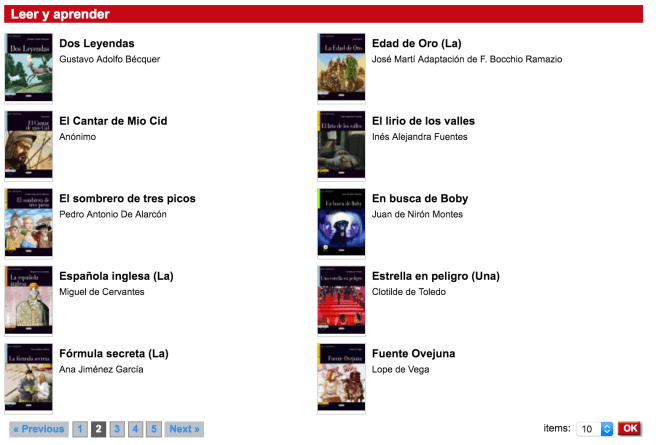








 Lizzie Pinard